By Nation of Hawaiʻi Newsroom
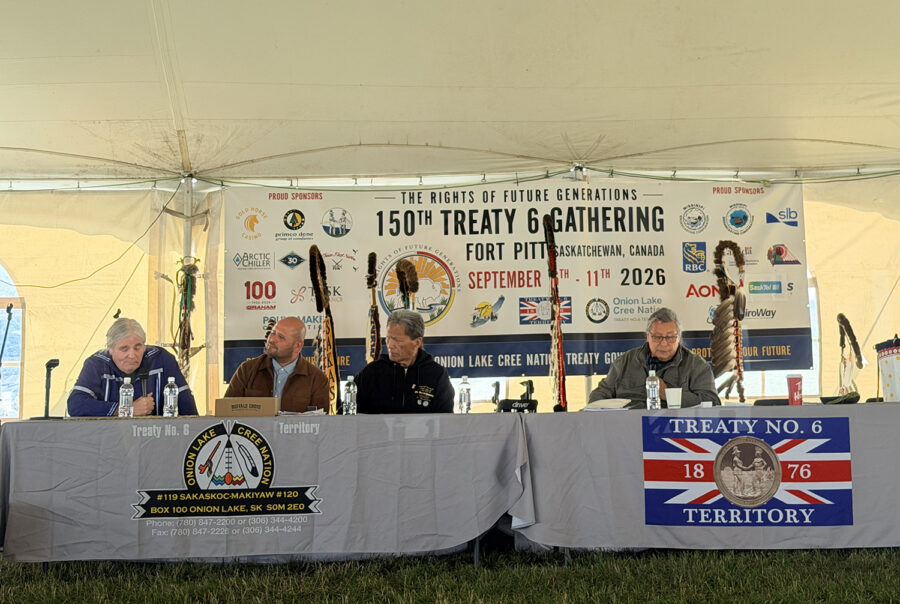
FORT PITT, Saskatchewan — A Nation of Hawaiʻi delegation led by President Puʻuhonua D.B.K. Kanahele traveled to Saskatchewan to honor the 150th anniversary of Treaty 6 and to stand with relatives across First Nations territories.
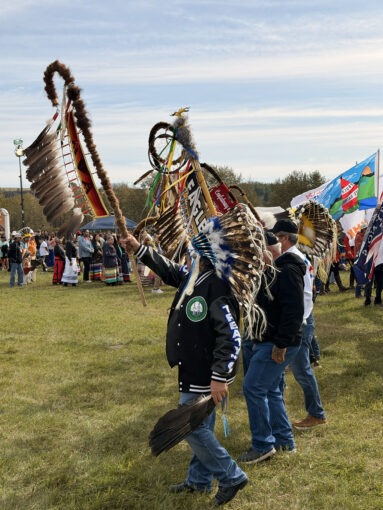 The 150th Treaty 6 Gathering, hosted by Onion Lake Cree Nation Treaty Governance at Fort Pitt on Sept. 6-10, brought Treaty Nations together for ceremony, cultural celebration, youth engagement and discussion of sovereignty and the fulfillment of treaty obligations. The gathering’s theme was “The Rights of Future Generations.”
Treaty 6 was first entered into in 1876 between the Crown and Cree, Assiniboine and other First Nations across what are now central Saskatchewan and Alberta.
Kanahele, who serves on the board of directors of the International Indian Treaty Council, attended at the invitation of IITC Board President Ron Lameman. Lameman extended that invitation to both the council and the Nation of Hawaiʻi and served as co-master of ceremonies and co-chairman of the gathering.
Speaking on behalf of the council’s board and affiliates across North, Central and South America, the Pacific, the Arctic and the Caribbean, Kanahele delivered a statement of solidarity with the Treaty 6 Nations.
“I reaffirm our solidarity with the Treaty 6 Nations, and our shared commitment to uphold our Treaty rights both internationally and in our homelands,” Kanahele said.
He noted that treaty rights were the first issue the council carried to the United Nations in 1977. That work built on the Declaration of Continuing Independence, adopted at the council’s founding conference at Standing Rock, Oceti Sakowin Treaty Territory, in 1974.
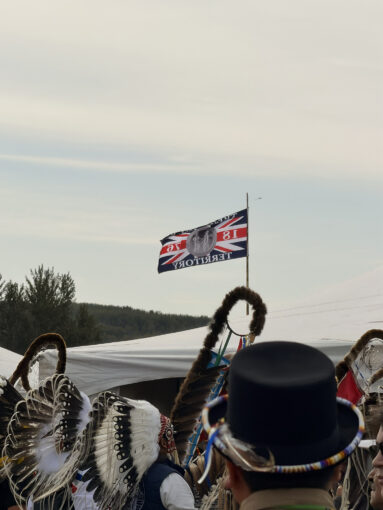
The Nation of Hawaiʻi delegation, which included 2nd Vice President and Minister of Foreign Affairs, John Kealoha Garcia, attended to honor the treaty and to meet with First Nations relatives, whom the delegation regards as cousins across the waters. The delegation sat in prayer to honor the treaties and raise the sacred pipe and a sweat with the Plains Cree elders to pray for continued peace and healing for all First Nations and Indigenous people globally.
Looking ahead, Kanahele said the council intends to join the Treaty 6 Nations in 2027 to commemorate the 50th anniversary of the 1977 U.N. conference in Geneva and the 20th anniversary of the adoption of the U.N. Declaration on the Rights of Indigenous Peoples. He also pointed to plans to organize the fourth U.N. Treaty Seminar. The seminar aims to press states to fulfill their commitment under Article 37 of the declaration to honor and respect the treaties they concluded with Indigenous nations.
“Just like our Treaties, our unity and solidarity as Treaty Nations will endure ‘as long as the sun shines, the grass grows and the rivers flow,'” Kanahele said.
Read to Kanahele’s full statement here.
About the Nation of Hawaiʻi’s international relations
The Nation of Hawaiʻi builds its international relations on the path set by its kūpuna, or elders, and ancestors, who voyaged across Moananuiākea, the Pacific Ocean, and connected with peoples near and far as equals. The Nation carries that connectivity forward by recognizing other nations nation to nation, grounded in perpetual peace and constant friendship. Its delegations travel to tribal nations and Indigenous peoples across Turtle Island and the Pacific at the invitation of their leadership, building pilina, or relationships, in person before any agreement is signed. Each treaty the Nation enters is a commitment to economic development, environmental protection and cultural exchange, and a continuation of the relationships its ancestors built.
Media contact: Nation of Hawaiʻi Ministry of Foreign Affairs, internationalrelations@nohgov.com
0 Comments on "Nation of Hawaiʻi delegation honors 150 years of Treaty 6 at Onion Lake Cree Nation gathering"