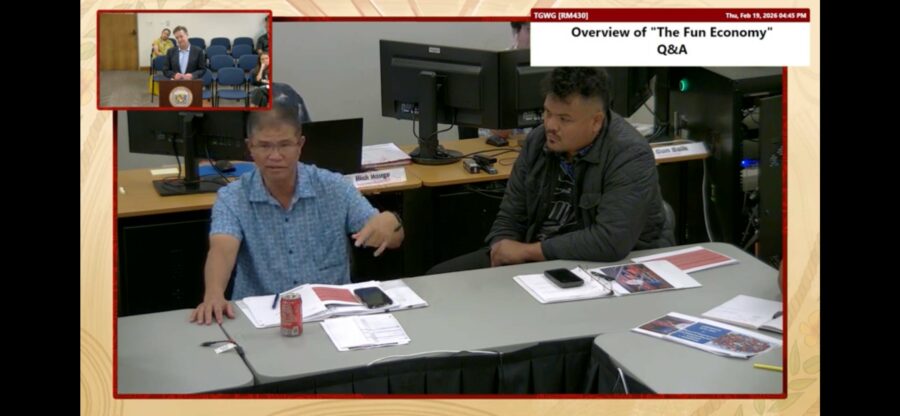
HONOLULU, HAWAIʻI — The February Tourism & Gaming Working Group held its third session at the Hawaiʻi State Capitol, focusing on how gaming policy should be evaluated in the context of Hawaiʻi’s unique cultural and institutional landscape.
The session featured national experts who discussed gaming as part of the broader “Fun Economy” of tourism and entertainment, as well as the importance of cultural alignment and responsible oversight.
For the Nation of Hawaiʻi, the central issue is not whether gaming has generated revenue in other states or countries. The key question is whether Hawaiʻi has the institutional readiness to regulate such an industry responsibly.
Currently, Hawaiʻi has no gaming regulatory commission, no gaming-specific enforcement division, no public health baseline study on gambling prevalence, and no established framework for allocating potential gaming revenue. These realities shift the discussion toward governance, safeguards, and long-term planning.
The Working Group emphasized that if gaming were ever contemplated, several guardrails must come first:
- A fully enacted regulatory framework
- Independent fiscal modeling specific to Hawaiʻi
- Institutional capacity planning before any licensing
- Pre-funded responsible gaming and public health programs
- Strong enforcement against illegal gambling activity
The Nation of Hawaiʻi supports a listening-first, governance-first approach. Cultural integrity, Native Hawaiian stewardship, public health, and long-term fiscal responsibility must remain central to any future policy discussions.
Session 3 did not determine whether gaming should be authorized in Hawaiʻi. It clarified that institutional design and community safeguards must precede any such consideration.
Updates will continue as the Working Group moves forward.
0 Comments on "Nation of Hawaiʻi Emphasizes Governance and Cultural Safeguards in Gaming Discussions"