By Nation of Hawaiʻi Newsroom
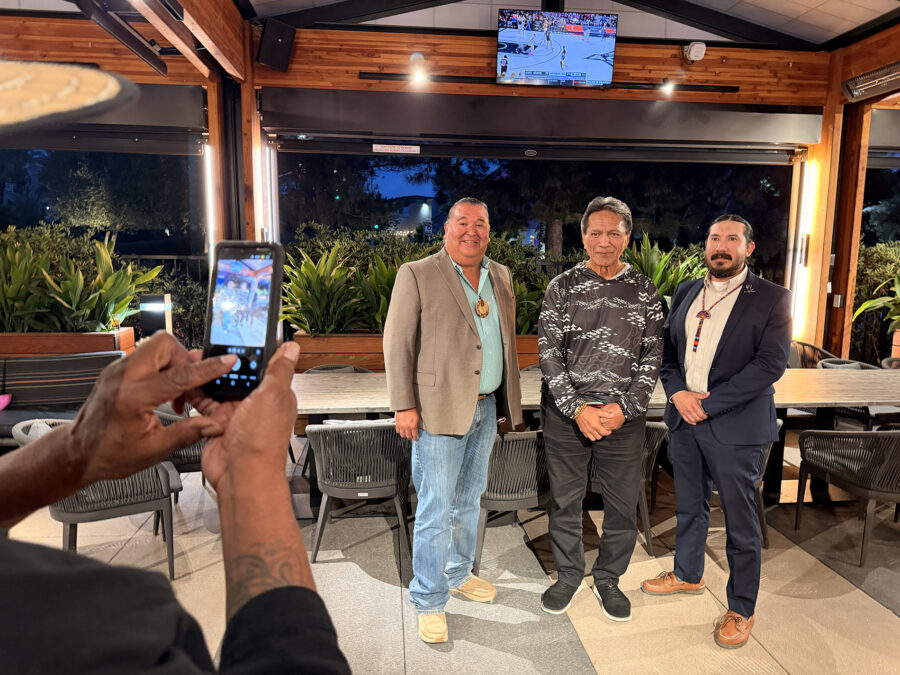
ALPINE, Califorina — The Nation of Hawaiʻi and the Fort Yuma Quechan Indian Tribe have entered into a treaty of perpetual peace and friendship, the Nation’s fourth such agreement with a tribal nation.
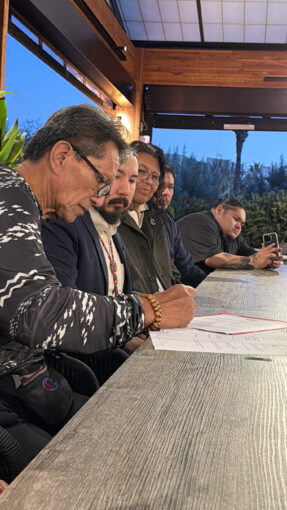
 Nation of Hawaiʻi President Puʻuhonua D.B.K. Kanahele and Quechan Tribal President Jonathan E. Koteen signed the Aloha Perpetual Peace and Constant Friendship Treaty on Aug. 18. The signing took place during the California Nations Indian Gaming Association event at Viejas Casino & Resort in Alpine, on the homelands of the Viejas Band of Kumeyaay Indians. Tribal leaders, gaming operators and economic development partners from across Indian Country attended.
In its preamble, the two nations recognize “the importance of perpetual peace, constant friendship, and mutual understanding in fostering a just and prosperous world.”
The treaty sets out four objectives. The first is perpetual peace and constant friendship. The second is environmental protection, including sustainable development and the preservation of ʻāina, or land, and its natural resources. The third is economic development and trade, including the exchange of goods, services and investment. The fourth is cultural exchange, meaning the sharing of traditions, practices and knowledge.
The agreement applies across the Hawaiian archipelago and the landbase of the Fort Yuma Quechan Indian Tribe. It creates a joint committee of representatives from both nations to oversee implementation and meet regularly to review progress. The treaty remains in effect indefinitely.
The Nation of Hawaiʻi also launched the Tribal Leadership Gaming & Economic Diversity Subcommittee, an initiative led by Ambassador Bennae Calac. The subcommittee advances the work of the Nation’s Tourism and Gaming Working Group, bringing the Nation together with tribal leadership to explore gaming, tourism and broader economic diversification. Learn more here: nationofhawaii.org/gov/tribalgaming.
On Sept. 18, John Kealoha Garcia, the Nation’s second vice president and minister of foreign affairs, invited Koteen, Quechan Vice President Virgil S. Smith and the Quechan Tribal Council to visit Puʻuhonua o Waimānalo, the Nation’s landbase on Oʻahu. The visit could take place between September and December 2026 or later.
The proposed program includes a walk of the ʻāina to see restoration work at Puʻuhonua o Waimānalo. It also includes knowledge exchange on traditional land stewardship, food systems, environmental restoration and community resilience, along with discussions of economic diversification, cooperative development, and Indigenous technology and digital sovereignty. The Nation’s Ministry of Foreign Affairs will coordinate dates, protocol and the visit program with the Office of the President and the Quechan Tribal Council.
About the Nation of Hawaiʻi’s international relations
The Nation of Hawaiʻi’s vision for international relations is to continue on the path set by our kūpuna, or elders, and ancestors, who voyaged across Moananuiākea, the Pacific Ocean, and connected with peoples near and far as equals. The Nation carries that connectivity forward by recognizing other nations nation to nation, grounded in perpetual peace and constant friendship. Its delegations travel to tribal nations and Indigenous peoples across Turtle Island and the Pacific at the invitation of their leadership, building pilina in person. Each treaty the Nation enters is a commitment to peace and friendship, economic development, environmental protection, cultural exchange, and a continuation of the relationships its ancestors built. The Kingdom of Hawai’i held 30+ international treaties, many of perpetual peace and constant friendship.
Media contact: Nation of Hawaiʻi Ministry of Foreign Affairs, internationalrelations@nohgov.com
0 Comments on "Nation of Hawaiʻi, Fort Yuma Quechan Indian Tribe ratify peace and friendship treaty"